


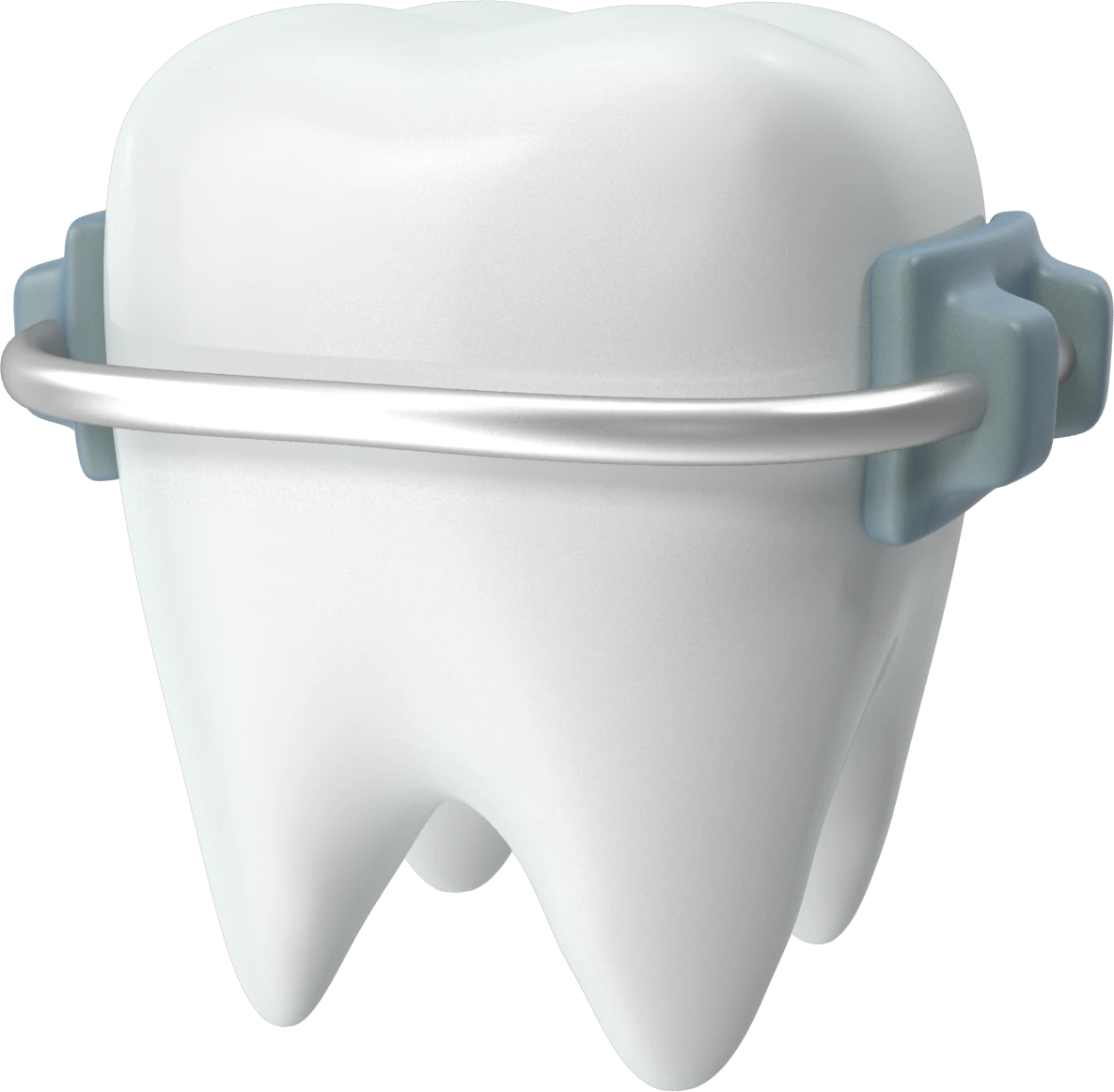
If your child’s dentist mentioned “Phase 1,” “early,” or “interceptive” orthodontics, here’s what those words mean: Phase 1 orthodontics is targeted treatment for children ages 6–10 that guides jaw growth and creates room for incoming permanent teeth — intercepting problems while they’re still easy to fix. It’s not full braces for little kids. It’s a short, focused intervention that uses your child’s own growth as the treatment tool.
Not every child needs it — and a big part of our job as your kids’ orthodontist in Prosper is telling you honestly when waiting is the right call. This guide covers the ideal age for an evaluation, the signs early treatment might help, what Phase 1 can actually accomplish, and what happens next. Wondering about your own child? Request an evaluation and get a straight answer.
What Is Phase 1 (Interceptive) Orthodontics?
Think of orthodontic treatment as potentially having two chapters. Two-phase treatment starts with Phase 1 while your child still has a mix of baby and permanent teeth: expanders, partial braces, or space maintainers that shape the jaw and protect space while everything is still growing and movable. Then comes a resting period, and — usually in the early teens — Phase 2 fine-tunes the permanent teeth with braces or Invisalign. Because Phase 1 solved the structural problems early, Phase 2 is typically shorter and simpler than it would have been.
We’ve written a primer on what Phase One early treatment is before — this guide goes deeper into the when, the why, and the specific problems it solves for Prosper families.
Why Age 7 Is the Right Time for a First Orthodontic Evaluation
The American Association of Orthodontists recommends every child see an orthodontist by age 7 — and there’s a real reason behind that number. Around 7, the first permanent molars and front teeth have arrived, which lets an orthodontist read how the bite is developing and how the jaws relate to each other, while there’s still abundant growth left to work with. Here’s what surprises most parents: the majority of age-7 evaluations end with “everything looks great, see you in a year.” The evaluation isn’t a commitment to treatment — it’s a checkpoint that makes sure nothing that should be treated before the permanent teeth emerge gets missed.
Age 7 isn’t when treatment starts — it’s when watching starts. Most kids who are evaluated early are simply monitored until (and unless) treatment makes sense.
Signs Your Child May Need Early Orthodontic Treatment
Between checkups, these are the things worth mentioning to your dentist or bringing to an orthodontist — many of the most common orthodontic problems announce themselves early:
- A crossbite. Upper teeth that sit inside the lower teeth when your child bites down — sometimes with the jaw visibly shifting to one side to close.
- Crowding or teeth coming in crooked. Permanent teeth erupting overlapped or rotated usually means a space problem, not a tooth problem — here’s our take on whether crooked incoming teeth mean braces are necessary.
- Baby teeth lost very early or very late. Both disrupt the natural spacing plan for the permanent teeth behind them.
- Front teeth that stick out. Prominent upper front teeth are at real risk of injury during play — and are very correctable early.
- Mouth breathing or persistent thumb-sucking. Both influence how the palate and bite develop over time.
- Trouble chewing or biting, or teeth that don’t meet at all when the mouth closes.
- A jaw that pops, shifts, or looks asymmetrical as your child bites or chews.
What Phase 1 Treatment Can Do
Correct Crossbites Early
A crossbite forces the jaw to shift into an unnatural closing position — and left alone through the growth years, the jaw can actually grow asymmetrically to accommodate it. Corrected early (often with an expander), the bite closes evenly and the jaw grows straight. This is one of the clearest cases where treating at 8 prevents a much bigger problem at 18.
Guide Palate Development with Expanders
The palatal expander is Phase 1’s workhorse. While a child is growing, the two halves of the upper jaw can be gently widened — creating room for crowded teeth, correcting crossbites, and supporting better nasal breathing. It sounds dramatic; in practice, kids adjust within days and the active widening takes only weeks. Expanders and other Phase 1 devices are covered on our types of appliances page. This window closes as growth finishes — after that, the same correction gets much harder.
Protect Space for Permanent Teeth
When a baby tooth is lost too early, its neighbors drift into the gap — and the permanent tooth meant for that spot arrives to find its parking space taken. A simple space maintainer holds the spot open, preventing the crowding and impaction that would otherwise follow. And no, not all baby teeth need to be gone before orthodontic treatment can start — Phase 1 works with the mixed dentition, not around it.
Prevent Future Extractions
This is the payoff parents care about most. Severe crowding left untreated often means extracting permanent teeth later to create space. Phase 1 expansion and space management develop the room naturally while the jaw is still growing — so more kids keep all their permanent teeth and skip the extractions (and the longer, costlier treatment that comes with them).
Early Aligner Options
Braces aren’t the only Phase 1 tool anymore. For the right cases, clear aligner systems designed for growing kids can expand arches and guide incoming teeth — removable, comfortable, and popular with kids who’d rather skip brackets. Whether aligners fit your child’s case depends on what needs correcting; our Invisalign page and Invisalign FAQ cover how aligner treatment works, and we’ve looked at aligner questions like whether widely spaced teeth can be treated with Invisalign Teen. The evaluation determines which tool — appliance, partial braces, or aligners — fits your child.
What Happens Between Phase 1 and Phase 2?
Phase 1 typically runs 9–18 months, and then — this surprises parents — we mostly stop and let growth do its thing. Your child wears a retainer or holding appliance, and we monitor with periodic visits while the remaining permanent teeth erupt into the space Phase 1 created. When they’re in (usually ages 11–14), Phase 2 aligns everything precisely with braces or Invisalign. Because the foundation was built early, Phase 2 is usually shorter, simpler, and easier on everyone. Still have questions about how this all fits together? Our orthodontic FAQ page answers the most common ones.
Frequently Asked Questions About Early Orthodontic Treatment
(Implement with FAQPage schema markup on publish.)
Does every child need Phase 1 treatment?
No — most don’t. Phase 1 is recommended only when a developing problem will get harder to fix if it waits: crossbites, severe crowding, harmful habits, or space loss. For most kids, the age-7 evaluation leads to simple monitoring, with treatment (if any) starting in the traditional early-teen window.
My child still has baby teeth — can they really start treatment?
Yes. Phase 1 is designed for the mixed-dentition years, working around baby teeth to guide jaw growth and protect space. We’ve covered this exact question in detail: my child still has baby teeth — are braces an option?
How long does Phase 1 take?
Typically 9–18 months of active treatment, followed by a resting-and-monitoring period while the permanent teeth come in. The expander portion, when used, is usually active for only a few weeks before it simply holds the new width in place.
Will my child still need braces later?
Usually yes — Phase 2 fine-tunes the permanent teeth once they’ve all arrived. But Phase 1 typically makes that second phase shorter and simpler, and in many cases it prevents extractions or more invasive corrections entirely. The two phases are a planned team, not a failed first attempt.
Do expanders hurt?
There’s a feeling of pressure with each adjustment and some funny-talking for the first few days, but most kids adapt remarkably fast — faster than their parents expect. Eating soft foods for the first week and keeping the appliance clean handles most of it.
Is 7 too young to see an orthodontist?
Not at all — it’s the recommended age, because the first permanent molars and incisors are in and jaw growth can still be guided. Most age-7 visits end in reassurance rather than treatment, and the ones that don’t are exactly the cases where early action saves the most.
Give Your Child’s Smile a Head Start
Early evaluation costs you nothing but a visit — and it’s the single best way to catch the problems that are easiest to fix young and skip worrying about the ones that aren’t there. If you’re at the very start, read “I think my child needs braces — what are the first steps?”, see what your first visit looks like, and when you’re ready, request an appointment or contact our Prosper office. We’ll tell you honestly whether your child needs Phase 1, monitoring, or just a high-five and a recheck next year.