

The basics
What Is Surgical Orthodontic Treatment?
The focus of orthodontic treatment is to correct malocclusions, or bad bites. In certain cases, surgical orthodontic treatment, also known as corrective jaw surgery or orthognathic surgery, is needed to correct abnormalities of the jaw and facial bones. These skeletal differences often cause difficulty with chewing, speaking, breathing, sleeping and other routine activities.
At Prosper Trail Orthodontics, surgical orthodontic treatment corrects these skeletal problems. Combined with braces that align the teeth, it improves both the function of the bite and the balance of the facial profile.
When surgery helps
Conditions Surgical Orthodontics Can Treat
Jaw surgery may be recommended when braces or aligners alone cannot fully correct the bite. Common reasons include:
- A severe underbite or a lower jaw that sits too far forward
- A severe overbite or a lower jaw that sits too far back
- An open bite, where the front teeth cannot meet
- A jaw that is noticeably uneven or asymmetrical
- Difficulty chewing, biting or swallowing
- Chronic jaw pain or TMJ/TMD symptoms related to jaw position
- Breathing problems, including some cases of obstructive sleep apnea
- Lips that cannot close comfortably without strain
- Facial injuries or birth differences such as cleft palate
Candidates
Who Is A Candidate For Surgical Orthodontic Treatment?

Typically, adult patients who have finished growing and have severe malocclusions or concerns about their facial profile are good candidates. Jaw growth is generally complete around age 16 in females and age 18 in males.
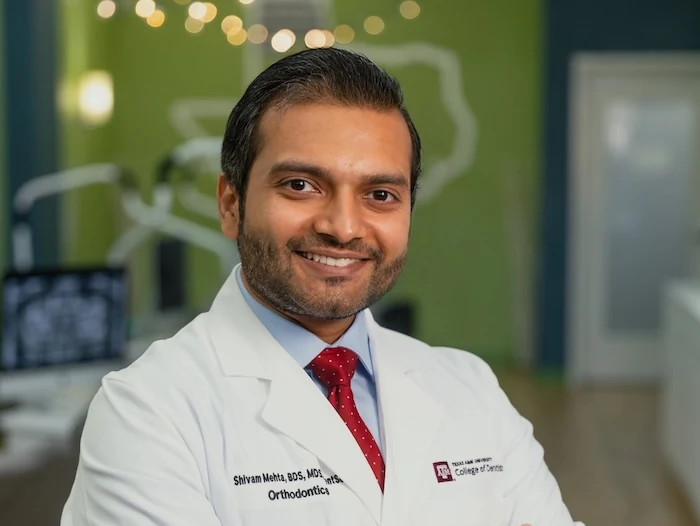
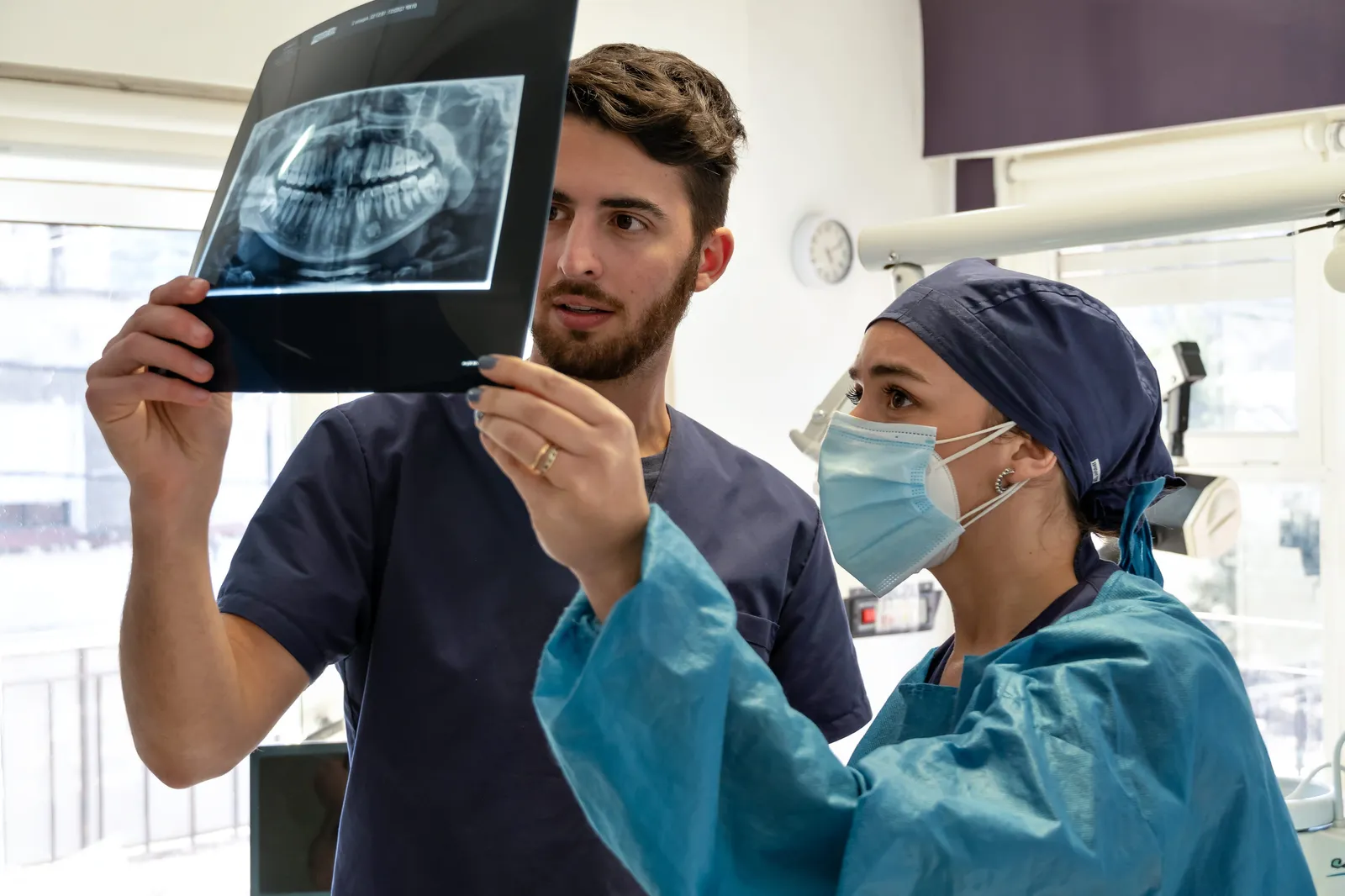
For surgery to be effective, patients must be finished growing, because a later growth spurt can affect the results. Teeth straightening, however, can begin in the years beforehand. Dr. Mehta will evaluate your growth, bite and jaw relationship with digital records and imaging to determine whether surgery is right for you.
The treatment phases
What Does Surgical Orthodontic Treatment Entail?
Surgical orthodontics is a coordinated effort between your orthodontist and an oral and maxillofacial surgeon. Dr. Mehta plans and manages the orthodontic phases of care, and the oral and maxillofacial surgeon performs the jaw surgery. The two work from one shared treatment plan. Treatment usually follows these phases:
-
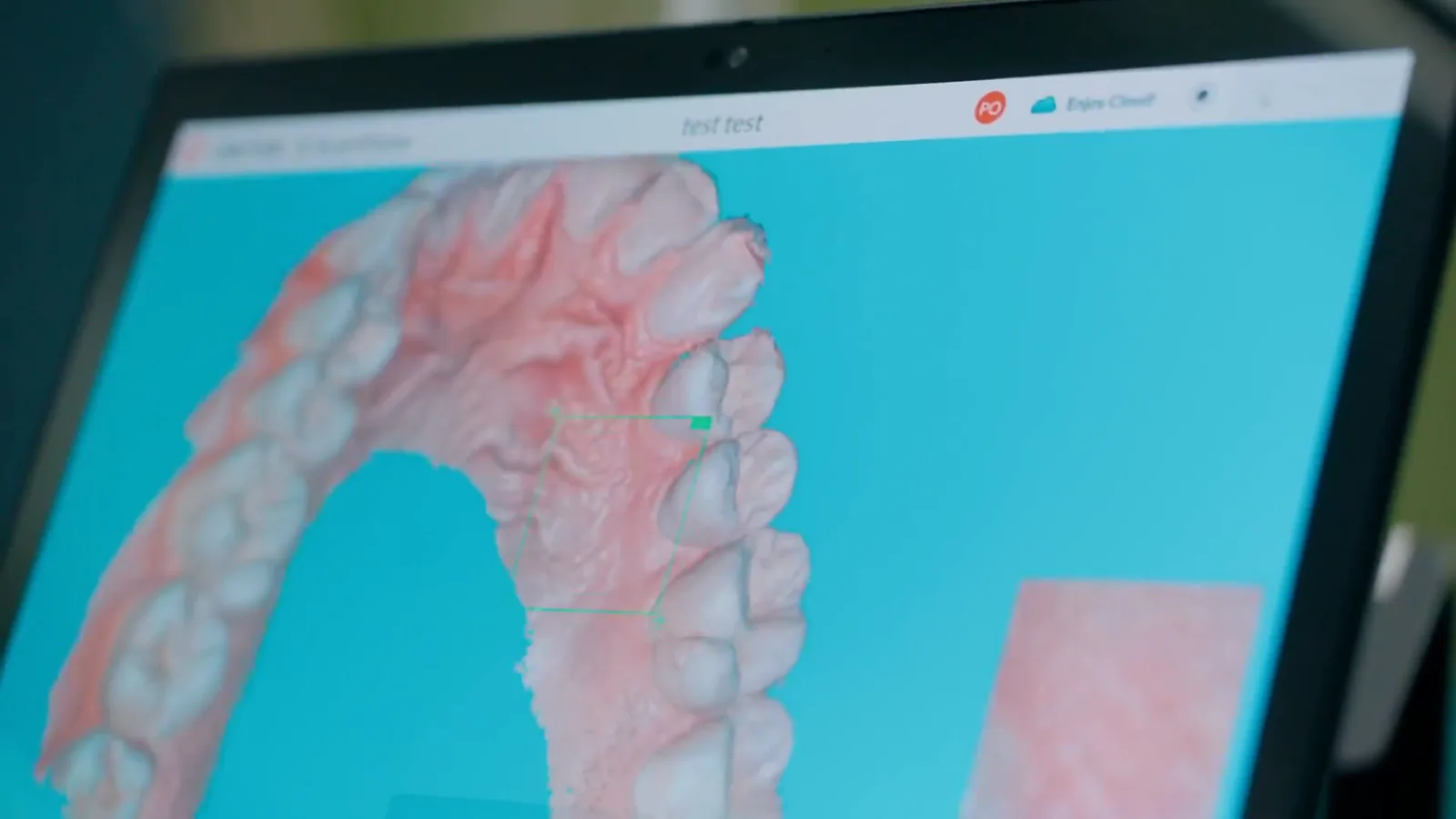
Consultation and planning: Dr. Mehta takes records, including digital scans with our iTero Element scanner, and coordinates a treatment plan with your oral and maxillofacial surgeon.
-
Pre-surgical orthodontics: Braces move your teeth into their correct positions within each jaw. This phase takes time, and the length varies from patient to patient. Your bite may seem to get worse during this phase because the teeth are being aligned to jaws that are not yet in the right position. This is expected.
-
Orthognathic surgery: An oral and maxillofacial surgeon performs the surgery in a hospital setting, with Dr. Mehta coordinating your orthodontic care before and after.
-
Initial healing: You will follow a soft or liquid diet while the jaws heal. Your surgeon will tell you when you can return to school, work and your usual routine.
-
Post-surgical orthodontics: Dr. Mehta fine-tunes your bite after surgery. Braces come off once your bite is fully settled; the timing varies from patient to patient.
-
Retention: Retainers hold your teeth and bite in their new positions for lasting results.
About The Surgery
With lower jaw surgery, the bone behind the teeth is separated, and the tooth-bearing portion of the jaw is moved forward or backward. With upper jaw surgery, the jaw can be moved forward, backward, up or down. Bone may be added or reshaped to support the new position, and small plates and screws hold the bones in place while they heal. Other facial bones, such as the chin, may also be adjusted to complete the facial balance.
In most cases, the surgery is performed inside the mouth, so there are no visible facial scars. Once your jaws are in proper alignment, your teeth will fit together in a healthy, beautiful position.
After surgery
Recovery Tips
-
Follow your surgeon’s instructions for medication, swelling control and oral hygiene.
-
Expect swelling and some numbness early in recovery. Your surgeon will explain what to expect as you heal and when each symptom should improve.
-
Eat nutrient-rich soft foods and liquids, such as smoothies, soups, broths and yogurt, until your surgeon clears you for a regular diet.
-
Avoid strenuous activity and contact sports until you are fully healed.
-
Keep all follow-up visits with both your surgeon and Dr. Mehta.
The results
Benefits Of Surgical Orthodontics
Correcting the jaw position can make chewing and speaking easier, relieve jaw pain, improve breathing and reduce excessive wear on the teeth. Many patients also notice a more balanced, harmonious facial appearance and a significant boost in confidence.
FAQ
Frequently Asked Questions
Is jaw surgery covered by insurance?
Because it corrects functional problems, corrective jaw surgery is often partially covered by medical insurance. Coverage varies by plan, and our team can help you understand your financial and insurance options.
Will I need to stay in the hospital?
Many patients stay in the hospital for one to two nights after surgery. Your oral surgeon will give you specific details.
Will my face look different?
Your appearance may change, usually for the better, as your jaws are brought into balance. Dr. Mehta and your surgeon will discuss the expected changes before treatment.
How long does the entire process take?
It varies from patient to patient. The total time depends on your bite, the surgery planned and how you heal. Dr. Mehta and your oral surgeon will give you a personalized estimate at your consultation.
Complimentary consultation
Contact Your Prosper Trail Orthodontics!
If you’re ready to take the next step toward a healthier bite and a beautiful new smile, reach out to us, call (972) 347-1700 or request an appointment. We look forward to helping you achieve the smile you deserve!